
Part of the A Joyful Journey to Japan series
At 9:00 a.m., I was standing at the gate at San Francisco International Airport, looking at the plane that was supposed to take me to Osaka, Japan.
There was just one problem.
I did not have my passport.
I had flown into SFO from Santa Barbara on a 6:00 a.m. flight. Somewhere between arriving at the airport and preparing to board the next leg of my journey, I reached for my passport and realized it was not there.
I searched my bags.
Then I searched them again.
I checked every pocket, compartment, and unlikely hiding place, hoping the passport might somehow appear if I looked with enough determination.
It did not.
Eventually, I walked to the United counter and explained what had happened. I could hear the quiver in my voice as I said:
“This can’t be happening. I’m a professional organizer. I’m going to Japan to meet Marie Kondo.”
That was when Roberta, the United employee helping me, looked me directly in the eyes and said: “No crying, ma’am.” Then she paused. “Marie Kondo… Isn’t that the spark-joy sock lady?”
The Journey I Had Worked So Hard to Take
When the KonMari team announced a retreat in Japan, I suspect I was first to register. I did not know exactly how I would make the finances, schedule, and logistics work, but I knew that I really wanted—dare I say needed?—to be there.
The trip represented so many parts of my life coming together. Japan was the birthplace of the KonMari Method®, a philosophy that had profoundly shaped both my work and my understanding of what it means to live intentionally.
This was more than a vacation.
My first trip to Japan felt like a pilgrimage, a professional milestone, and a personal adventure combined. I would be participating in deeply cultural experiences, meeting organizers from around the world, and spending time learning with Marie Kondo and members of her international community.
And now, before my adventure had even begun, it seemed to be slipping away.
The best guess was that my passport had fallen out on my first flight and was still somewhere on the plane, which was sitting on the tarmac where no one could reach it.
There was nothing I could do except wait.
When the Plan Falls Apart
There is a particular kind of helplessness that comes when a carefully planned journey collapses because of one small, essential object. There was nothing I could do but accept what had happened and begin considering the next possible step.
That is not to say I accepted it gracefully.
There were tears, disbelief, and a staggering amount of embarrassment.
But while I was unraveling, something else began to happen:
My friends showed up.
Friendship Changes the Shape of a Crisis
When something goes wrong, the practical problem is only one part of the experience. There is also the panic, embarrassment, disappointment, and isolation that can accompany it.
When I reached out to my friends, they began showing up in different ways. Friends called, searched for possibilities, and reminded me that a terrible beginning did not necessarily mean the journey was over. Some offered practical help. Others offered calm. Some simply stayed present while I moved through the considerable humiliation of being a professional organizer who had arrived at an international airport without her passport.
Then, by an extraordinary stroke of luck, some dear friends from the years I had lived in San Francisco happened to be near the airport.
They came and picked me up.
Instead of remaining alone at SFO, watching my carefully planned journey unravel beneath fluorescent airport lights, I was gathered up by people who knew me. They took me to eat Indian food and tried to distract me.
I tried not to spiral.
My friends could not retrieve my passport from the tarmac. They could not stop the flight from leaving or restore the day I was losing. But they gave me something just as important: a soft place to land.
One of the greatest gifts a friend can offer during a crisis is not a perfect solution. It is the feeling that you are no longer facing the problem alone. When life goes sideways, those ordinary acts of connection become the foundation beneath us.
The News I Had Been Waiting For
Hours later, I received the news: The plane had been cleaned. My passport had been found!
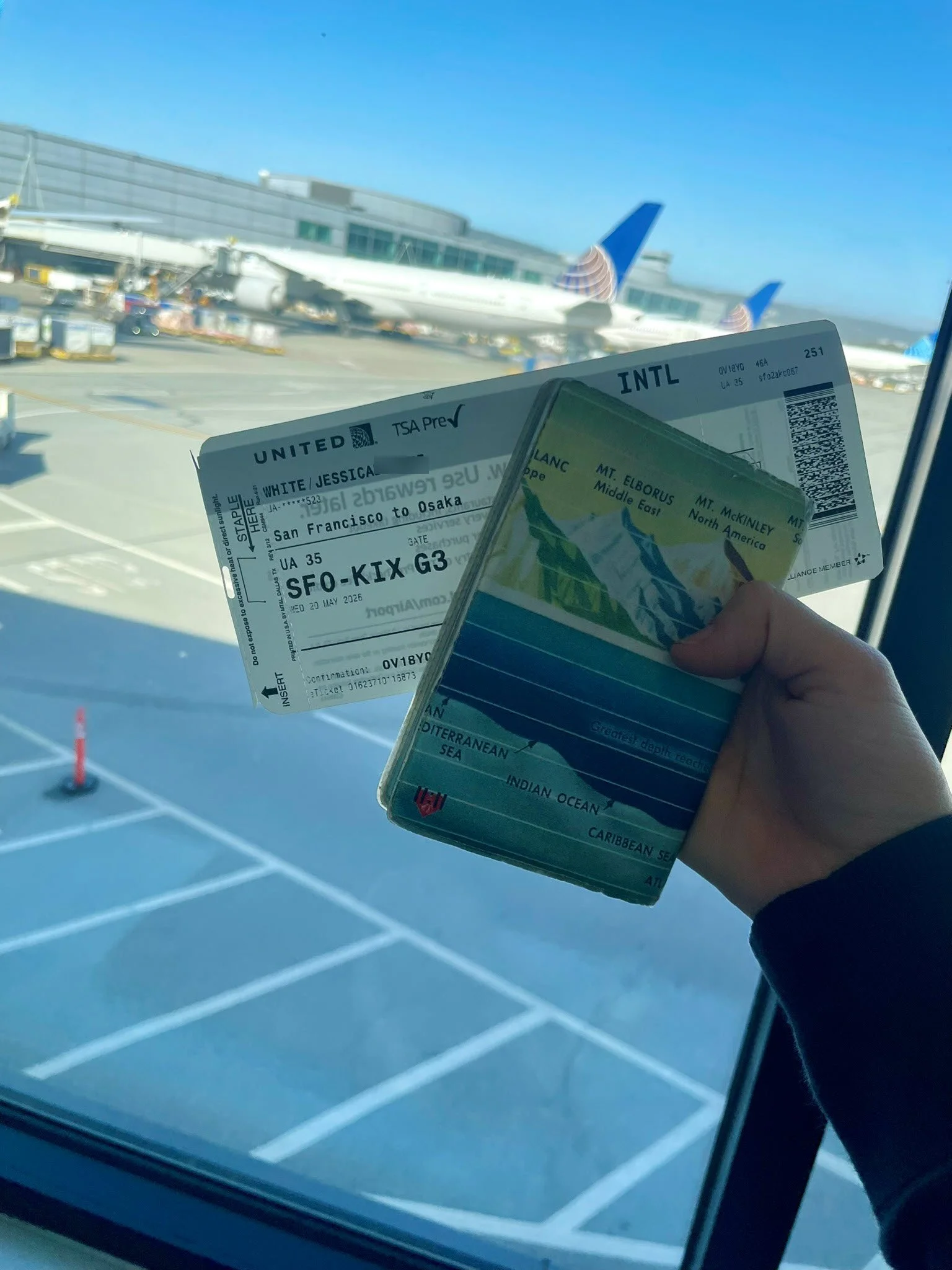
Reunited and it felt SO good!
The following day, I returned to the airport with my passport safely in hand.
Roberta was there again.
This time, she proudly announced: “Jessica White is getting on the plane!”
And I did what any calm, mature, seasoned international traveler would do.
I did a happy dance.
I had lost a day of travel. I had missed my original flight. I had begun one of the most anticipated journeys of my life with tears, panic, and a logistical mess.
And yet that near-disaster became a happy memory.
Not because losing my passport was enjoyable, but because of the people who helped me along the way and the enormous relief that the journey could continue.
I Get by with a Little Help From my Friends…
That day reminded me of something I never want to take for granted.
My friends were able to show up because those friendships already existed. They had been built over years through shared experiences, ongoing connection, invitations, conversations, and mutual care.
Friendship is not something we can place quietly in the background of our lives and expect to find unchanged whenever we need it. It is living. It needs tending, in the ordinary stretches of time when nothing dramatic is happening.
The strength of a friendship during a crisis is often rooted in the care given to it long before the crisis arrives.
Preparation Includes People
In my work, I spend a great deal of time thinking about systems.
Where do important documents live?
What belongs in a go bag?
These questions matter. I remain strongly in favor of knowing exactly where your passport is during international travel.
But preparedness is not only about supplies, documents, and checklists.

Friends make life better
It is also about people.
Who can you call when you are overwhelmed?
Who knows enough about your life to help?
Who might offer a ride, a meal, a place to stay, a clear head, or companionship?
And just as importantly: for whom are you willing to be that person?
Community cannot prevent every hardship. But it can profoundly change how we move through one.
A well-prepared life is not a life in which we never need help. It is one in which we have built relationships that allow us both to give and receive it.
The Journey Began Before I Reached Japan
I had imagined that my journey to Japan would begin when I stepped off the plane in Osaka.
Instead, it began in an airport terminal in San Francisco, without my passport, watching my original flight leave without me. It began with embarrassment, disappointment, and the collapse of a plan I had worked hard to create.
But it also began with friends, food, and the extraordinarily good fortune of having people nearby willing to take me in.
It began with the realization that even when I could not see the way forward, I did not have to find it entirely by myself.
That became one of the first lessons Japan gave me, before I had even arrived: A joyful life is not a life without wrong turns, missed flights, or moments of panic. It is a life supported by people who help us recover, adapt, and keep going.
Friends make the good parts of life better. They make the difficult parts more bearable. Sometimes, they make what seemed impossible possible again.
My trip to Japan did not begin perfectly.
It began with something better.
It began with a reminder that I was not alone.
And yes, I carried home one very practical lesson as well: Next time, my passport will be traveling inside a cover with an AirTag.
Explore More of the Journey
This is one story from my joyful journey through Japan. Visit the series hub to follow the route on the interactive map and explore more reflections on joy, friendship, preparedness, place, and the KonMari Method®.
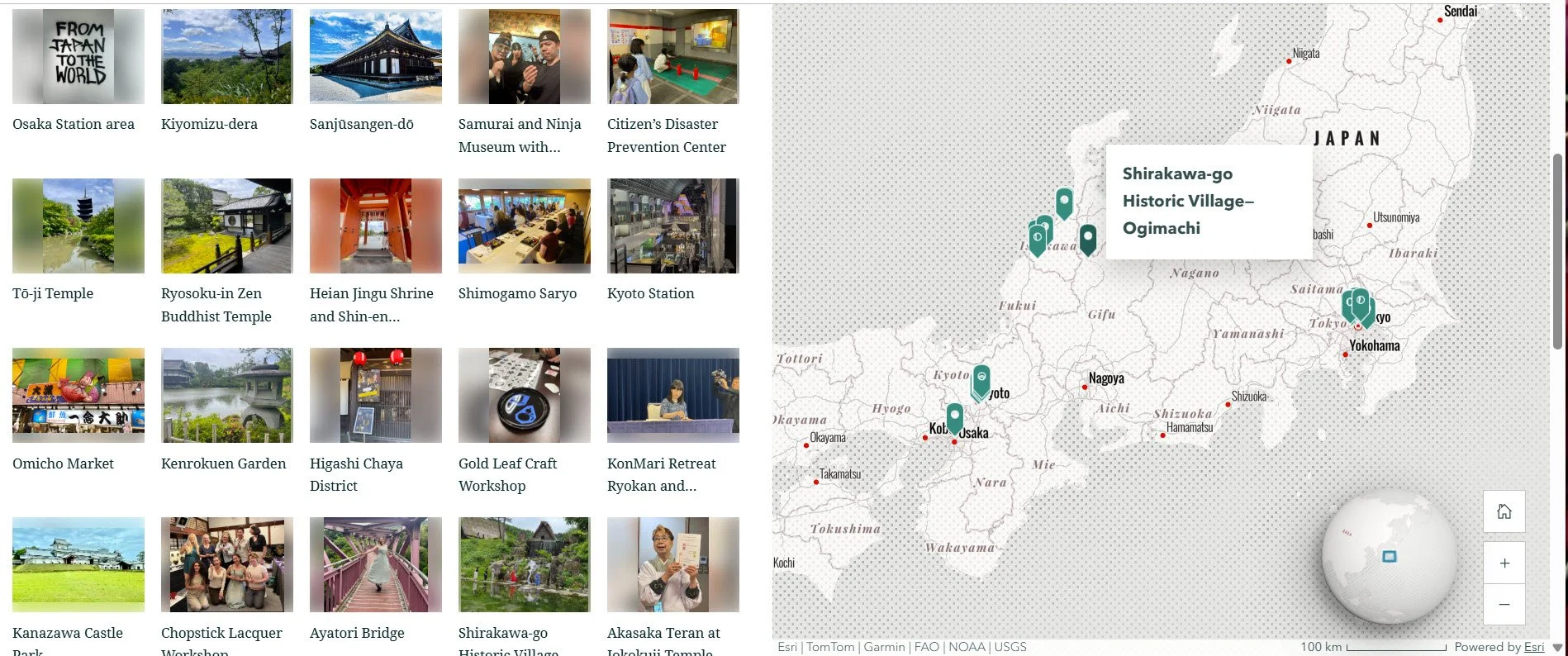
Read more of Jessica’s adventures in Japan!